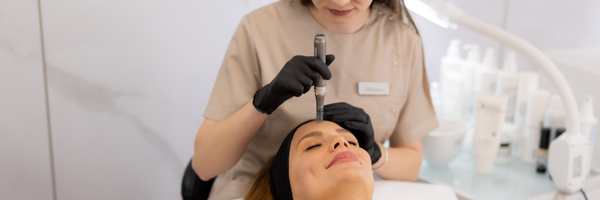
Hair loss can feel frustrating and overwhelming, but there are more treatment options today than ever before. One therapy gaining attention for its ability to stimulate new hair growth is microneedling – a minimally invasive treatment that can be used alone or alongside other supportive therapies for optimal results.
What Is Microneedling?
Microneedling involves using a specialized device with fine, sterile needles to create tiny punctures in the scalp. These micro-injuries trigger the body’s natural healing process, boosting collagen production, improving blood circulation, and activating growth factors in the skin. When applied to the scalp, this process can stimulate dormant hair follicles and encourage thicker, healthier hair growth.
Does Microneedling Regrow Hair?
For many patients, yes – microneedling can regrow hair, particularly in cases of androgenetic alopecia (male or female pattern hair loss) and telogen effluvium (shedding from stress or illness). The key is consistency, professional application, and pairing it with other therapies that address scalp health, follicle stimulation, and internal wellness.
How Effective Is Microneedling Compared to Rogaine?
Rogaine® (minoxidil) is one of the most widely used topical hair loss treatments. It works by increasing blood flow to hair follicles and prolonging the growth phase of the hair cycle. While many people see results, some experience minimal improvement or plateau over time.
Microneedling works differently – it physically stimulates the scalp, awakening follicles and improving the absorption of topical treatments. Studies show that microneedling combined with Rogaine can be significantly more effective than Rogaine alone. In one clinical trial, patients using both saw four times more hair growth than those using Rogaine without microneedling.
The Most Effective Approach: A Multi-Therapy Plan
While microneedling alone can help, results are most impressive when monthly microneedling is combined with a targeted topical growth serum, internal herbal medicine, frequent acupuncture, and red light therapy.
Topical serum: Delivers nutrients and growth factors directly to the follicles, especially effective after microneedling when absorption is increased.
Internal herbs: Support circulation, nourish the blood, and address root imbalances that contribute to hair loss.
Frequent acupuncture: Improves blood flow to the scalp, balances hormones, and reduces stress – all factors linked to hair shedding.
Red light therapy: Stimulates cellular energy production in the follicles, encouraging new growth and thicker strands.
This combination supports both the internal and external factors that influence hair growth, creating the ideal environment for long-term results.
Microneedling for Hair Regrowth: Before and After
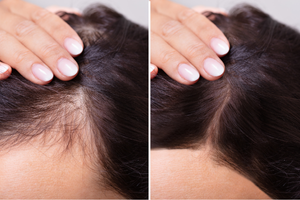
The best way to understand microneedling’s potential is to look at before-and-after results. While individual responses vary, many patients notice:
Thicker hair density
New hair growth in thinning areas
Stronger, healthier hair strands
Photos taken several months apart often show visibly fuller hairlines and reduced scalp visibility—especially when microneedling is part of a multi-therapy plan.
Scalp Microneedling Results: How Long Does It Take?
Hair growth is gradual. Most people begin to see early signs of improvement – such as reduced shedding and new baby hairs – within 8–12 weeks. Noticeable thickening typically occurs after 3–6 months of regular treatments, with full results continuing to develop for up to a year.
How Long for Microneedling to Work on Hair?
First changes: 2–3 months
Visible growth: 4–6 months
Maximum results: 9–12 month
Patience and consistency are key. When supported with topical serums, internal herbs, acupuncture, and red light therapy, patients often see faster, more dramatic results compared to microneedling alone.
How Much Does Microneedling Cost?
Prices vary from $200-$700 per session depending upon location, provider and multi-treatment package discounts.
Bottom line
Microneedling is a powerful, evidence-based treatment for hair loss. When performed monthly and combined with a high-quality growth serum, herbal support, frequent acupuncture, and red light therapy, it can help restore thicker, fuller hair – without surgery or long downtime.If you’re ready to explore microneedling for hair regrowth, schedule a consultation to see how a customized treatment plan can address your unique hair loss concerns from every angle.